
Cable entry plates and multi-flanges
for high cable density and secure sealing
Cable entry plates and multi-flanges are used to introduce multiple cables through a common opening in control cabinets and enclosures.
The solution provides a simple and flexible cable entry where sealing and assembly can be adapted to the needs of the installation.
Explore our range of cable entry plates and multi-flanges
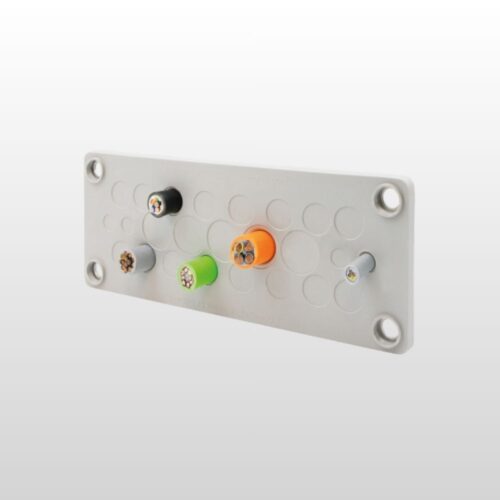
FL21 Multi-membrane | high cable density | IP65 | UL Type 12
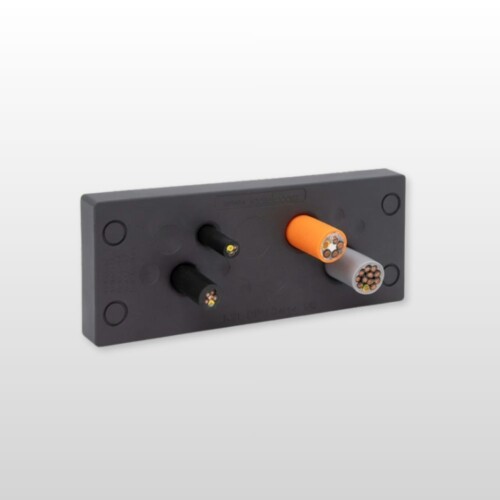
Multi-membrane | strong strain relief | extreme conditions | IP66 - IP68 | UL Type 12/4X
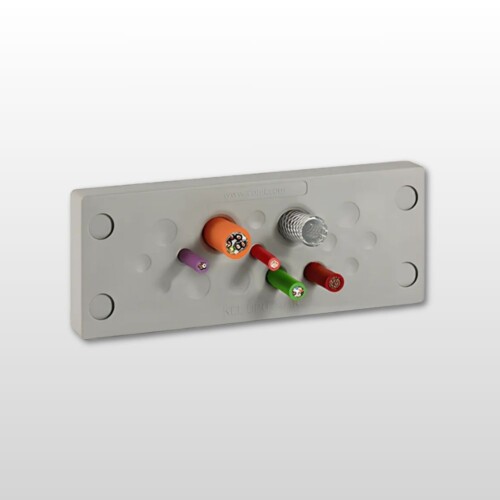
Multi-membrane | robust, strong strain relief | IP66 - IP68 | UL Type 12/4X*
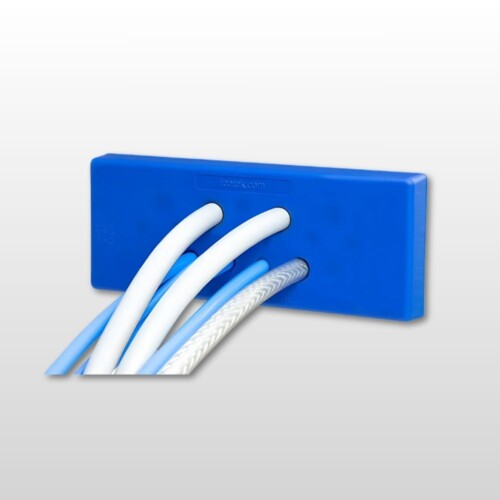
Multi-membrane | Hygienic | FDA Compliant | Robust, strong strain relief | IP66- IP68
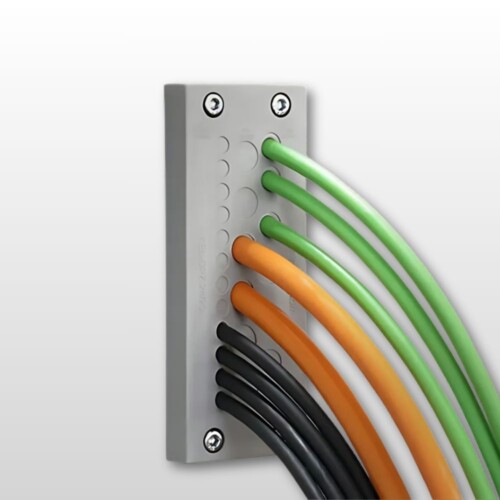
Multi-membrane | high cable density | Up to IP66 | UL Type 12
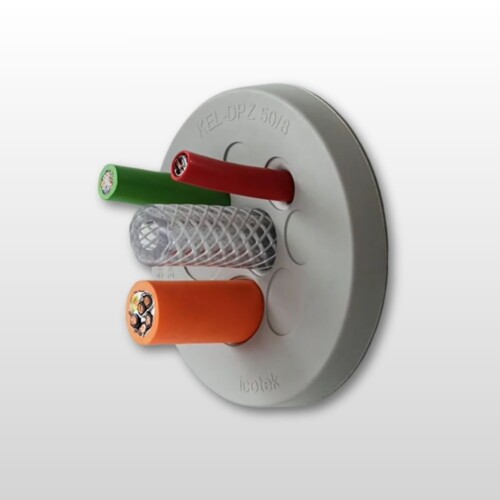
Multi-membrane | threading M25 - M63 | IP66 - IP68 | UL Type 12/4X*

Multi-membrane Snap-In | threading M25 - M63 | IP65 - IP68
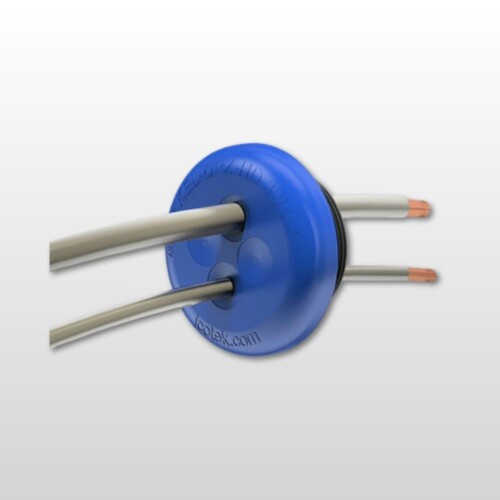
Multi-membrane | Hygienic | FDA Compliant | threading M32 - M63 | IP66- IP68

Multi-membrane | high cable density | Up to IP65
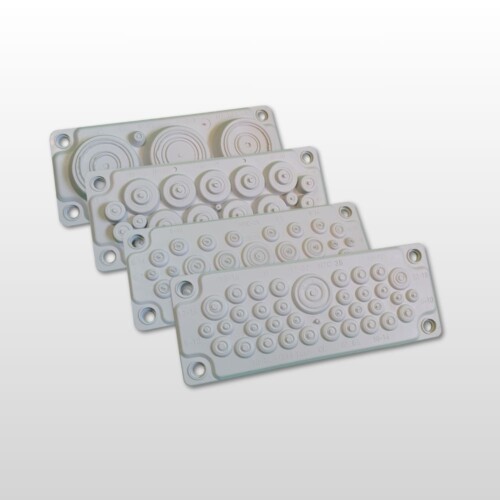
Robust multi-flange | Steel-reinforced rubber | IP65
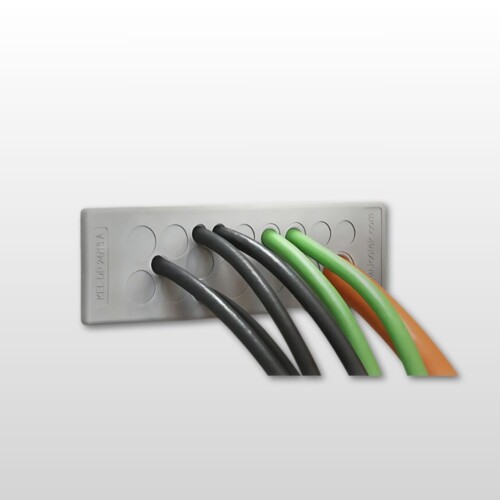
Multi-membrane | high cable density | IP64 | UL Type 12
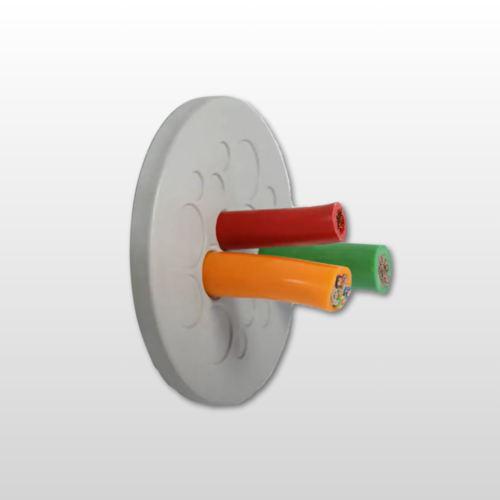
Multi-membrane | hole size M16 - M50 | IP65 | UL Type 12

Multi-range diaphragm | wires up to Ø36mm | IP65

Multi-range plate | pyramidal membranes | cables up to Ø28mm | Up to IP66
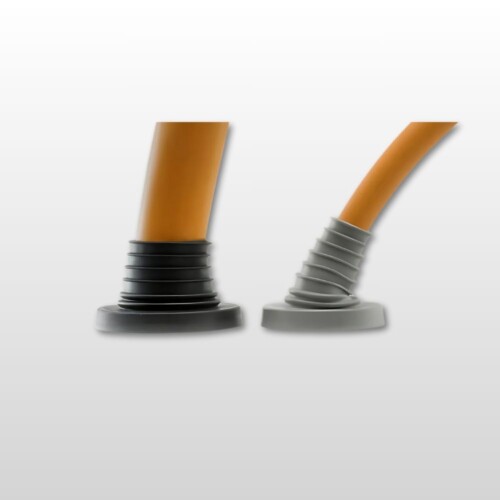
Pipes up to Ø70mm | M25 - M85 | IP66 - IP68 | UL Type 12/4X*
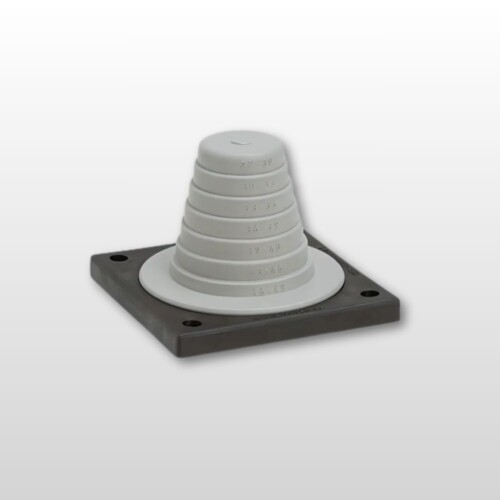
Pipes up to Ø68mm | IP54 | UL Type 12
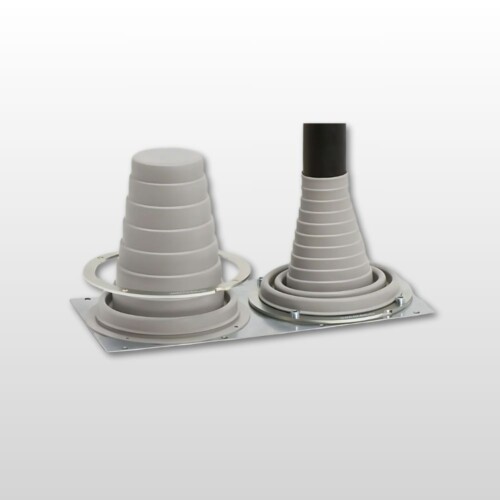
Pipes up to Ø115mm | IP66 | UL Type 12
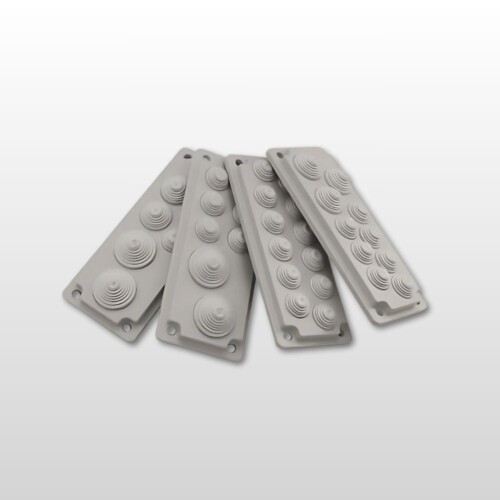
Stable multi-flange | ABS | IP54
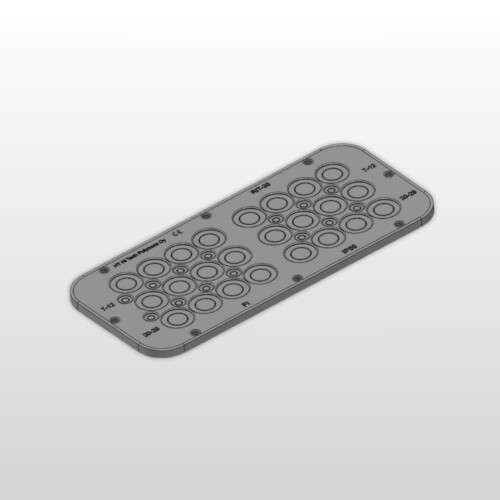
Fits Rittal products | IP65
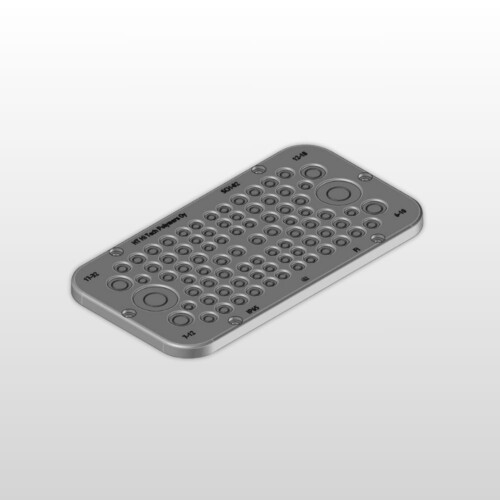
Fits products from Schneider | IP65
FAQ – Frequently asked questions about Cable entry plates and multi-flanges
When should you choose cable entry plates or multi-flanges?
Cable entry plates and multi-flanges are the right choice when multiple cables are to be introduced through the same opening and where the installation requires simple adaptation.
They are often used in control cabinets where the wiring may change over time or where quick assembly is a priority.
Common uses:
- several unshielded cables
- installation environments with limited mounting space
- Retrofitting into existing enclosures
- applications where individual strain relief is not critical
When is this solution not the right choice?
Cable entry plates and multi-flanges are not always suitable in installations with high mechanical requirements or where each cable needs individual strain relief.
Avoid this solution when:
- cables are subjected to pulling or movement
- EMC requirements require shield connection
- high protection class per cable is crucial
Options in these cases:
Can cable entry plates withstand IP-rated environments?
Yes, cable entry plates can be used in IP-rated environments.
The degree of protection achieved depends on the design of the plate, its material and how well the bushing is mounted to the enclosure. Correct mounting is crucial to maintaining a seal against dust and moisture.
Can cables be added later?
Yes, cables can often be added later.
Many cable entry plates and multi-flanges are designed to allow the addition of cables without having to replace the entire entry, which facilitates service and future modifications.
When is a cable gland a better choice?
Cable glands are a better choice when each cable requires individual strain relief, high mechanical strength or specific EMC properties.
It is also suitable when only single cables are to be inserted and maximum sealing per cable is crucial.
Accessories
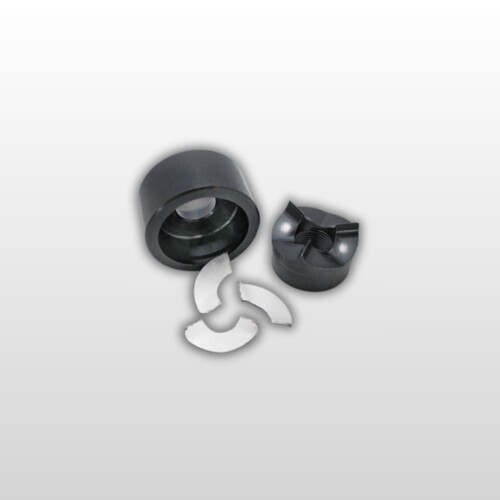
Punches in metric sizes | M16 - M85
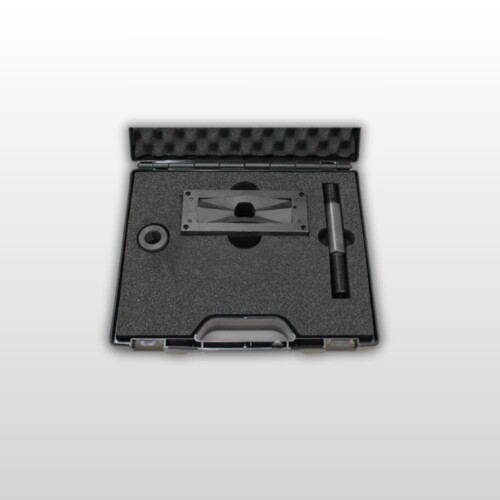
Punches for multi-pin connectors | icotek's cable entry system
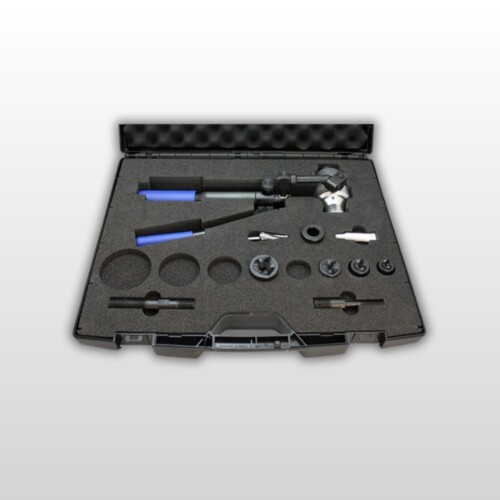
Hand hydraulic punch tool with accessories