Conduits and cable protection
for mechanical protection and tidy cable routing
Conduits & Cable protection are used to protect cables against mechanical impact, wear and environmental influences in industrial installations.
Proper cable protection reduces the risk of cable damage, operational disruptions and unplanned maintenance in control cabinets, machines and production.
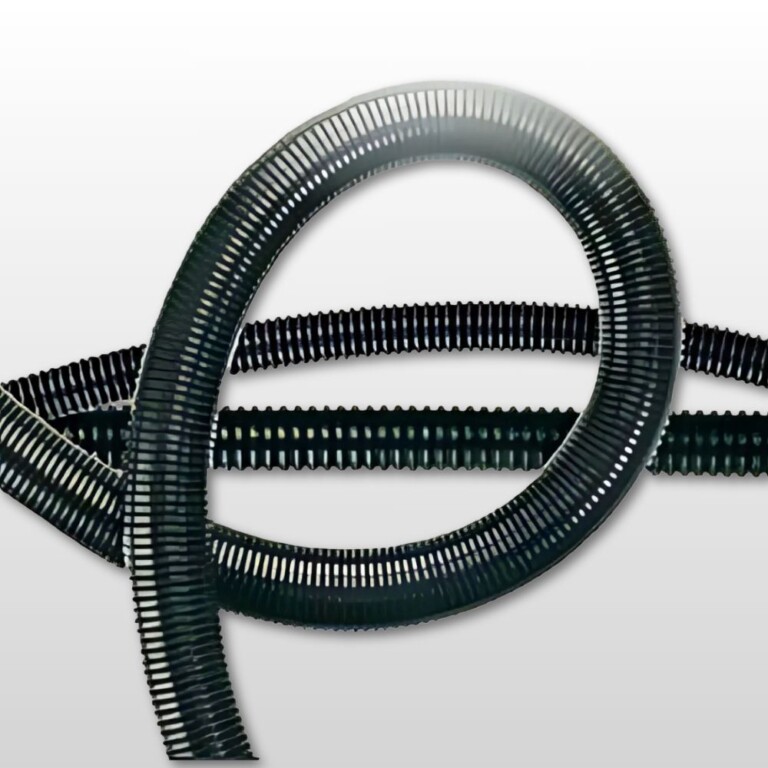
Conduits
Flexible cable protection for industrial installations
Corrugated protective conduit for industrial applications where cables and wires need protection against mechanical stress. Easy installation with quick connectors up to IP68/IP69K.
Explore assortment →
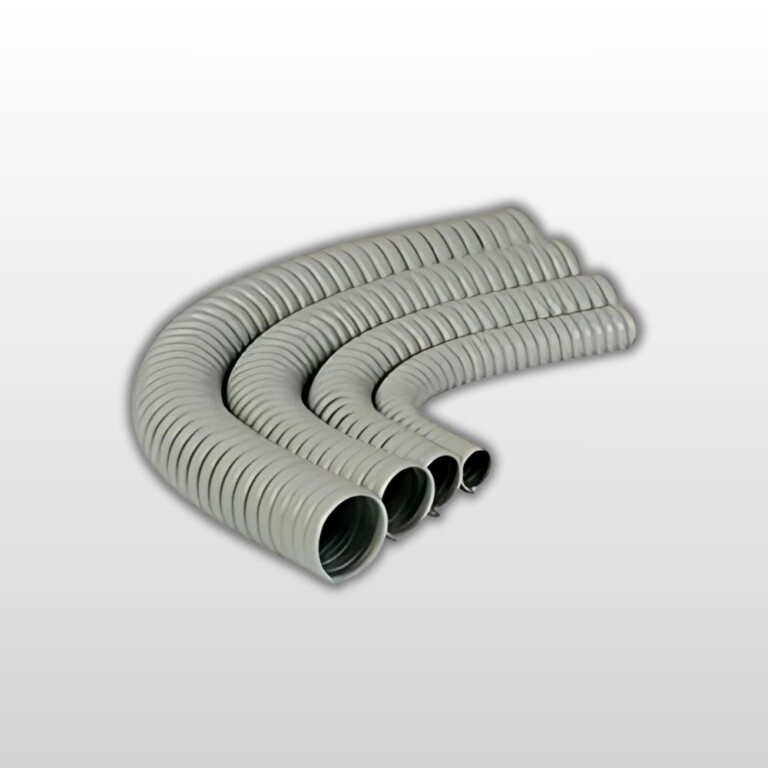
Spiral Wraps
Organizing cables and cable bundles
Flexible spiral hoses and cable spirals for protecting and organizing cables and hoses. Used in cabinet construction, machinery, and industrial installations.
Explore assortment →
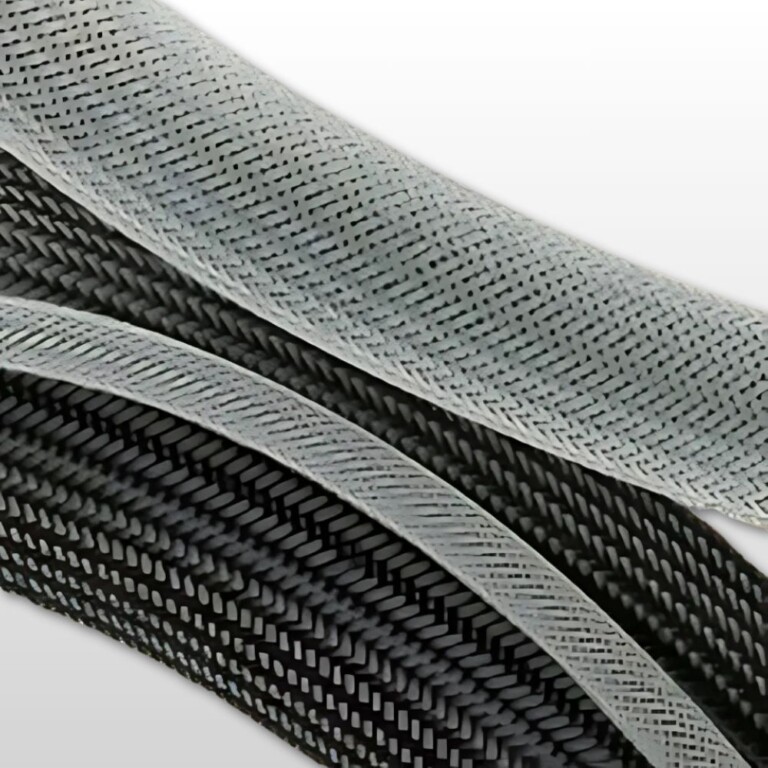
Expandable sleeves
Abrasion protection and cable organization
Braided cable sleeves made of polyamide (PA66) for protection and organization of cables, wires, and hoses. Provides effective abrasion protection in demanding industrial environments.
Explore assortment →
Supplier to the automation industry since 1987
C-PRO delivers protective hoses and cable protection to the electrical and automation industries where reliable cable installation and long service life are crucial.
Our solutions protect cables against mechanical impact, vibrations, and other stresses in demanding industrial environments.
That's why many people choose C-PRO
- Deliveries to OEM companies and cabinet builders
- Products developed for industrial installations
- Solutions for machines, control cabinets and cabling
- Technical advice when choosing protective hose and cable protection
Typical uses
- protection of cabling in machines and automation systems
- cable installations in control cabinets
- installations with vibrations or mechanical impact
- industrial environments where cables need extra protection
With extensive experience in control cabinets, automation and industrial installations We can help you choose the right solution for each application.
Do you need help choosing the right protective hose or cable protection for your installation?
Technical properties of Conduits & Cable protection
- Protects cables against mechanical impact
- Extends cable life
- Adapted for industrial environments
- Available in flexible and robust designs
- Used in both control cabinets and machines
Guide
Polyamide, stainless steel or spiral hose – see differences in temperature range, mechanical protection and industry-specific requirements.
How to choose the right protective sleeve & cable protection → Read the guide
Related product areas
FAQ – Frequently asked questions about Conduits & Cable protection
When is Conduits & Cable protection the right choice?
Conduits & Cable protection are the right choice when cables need to be protected against external influences in industrial environments.
- Mechanical abrasion or movement occurs
- Cables are laid near machines or moving parts
- Cables are exposed to dirt, moisture or chemical influences
- Cable routing is done outside the enclosure or cabinet
Cable protection is used both as preventive protection and to extend the life of existing installations.
When might other solutions be more appropriate?
- Cables need to be organized internally in cabinets → cable ducts
- The cable must be sealed against the enclosure → cable gland or cable entries
- Cables are completely stationary and protected → no additional protection required
What types of conduits do you offer?
We offer a wide range of flexible and expandable conduits from Interflex. Our corrugated conduits can be installed completely without tools up to IP68/69K.
What applications are your conduits suitable for?
Our conduits are suitable for a wide range of demanding applications. They are used in various sectors, including robotics, machine building, the food industry, as well as in marine and railway environments..
What certifications and standards do Interflex conduits comply with?
Interflex conduits comply with several international standards for safety and quality, including UL, VDE, NF and CE. Some products are also adapted for specific industries with special requirements, such as the railway and marine environments..