Cable Glands
for safe cable entry in industrial installations
Cable glands are used to introduce, seal and relieve cables in control cabinets and enclosures. The right choice affects the enclosure class, EMC performance and the long-term reliability of the installation.
Here you will get an overview of different types of cable glands and when each solution is right.
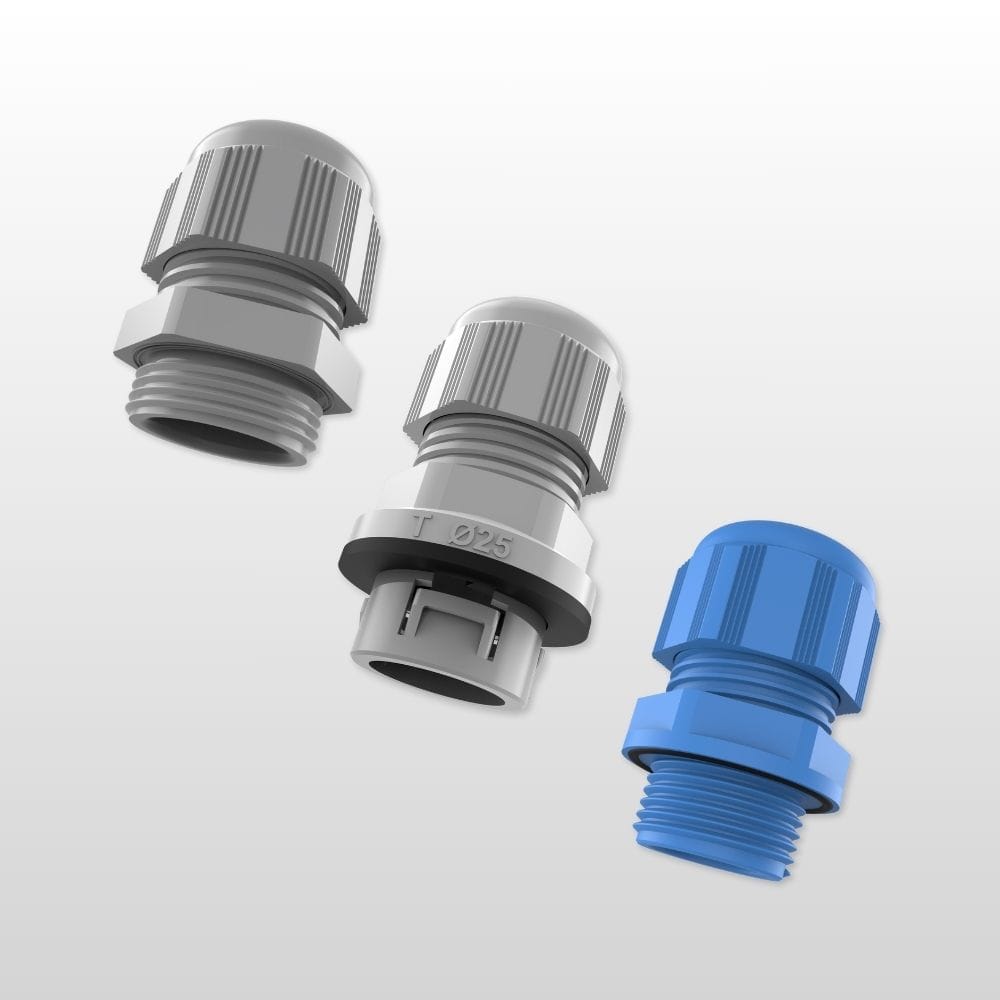
Cable glands Plastic
Polyamide screw connections
Safe cable entry with sealing and strain relief for control cabinets and machines.
Explore assortment →
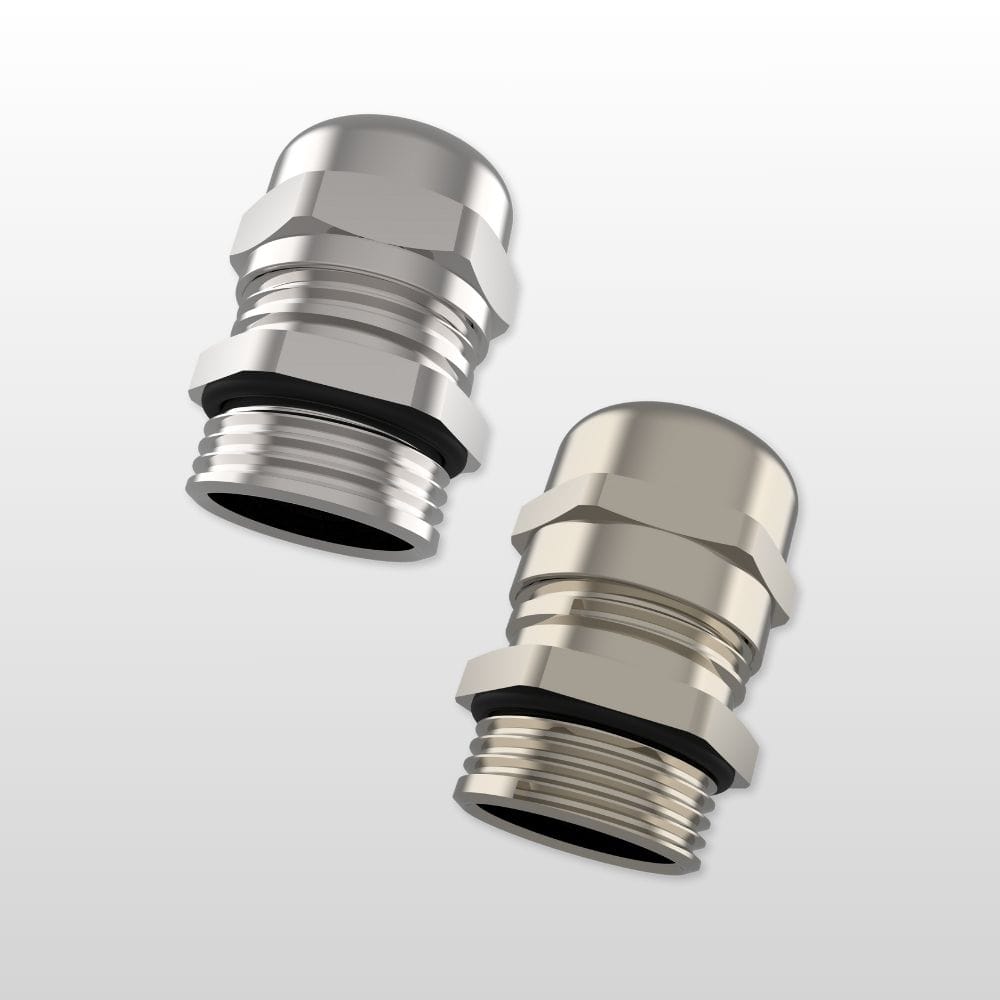
Cable glands Metal
Brass & stainless steel fittings
For demanding environments with high strength, sealing and long service life in industrial installations.
Explore assortment →
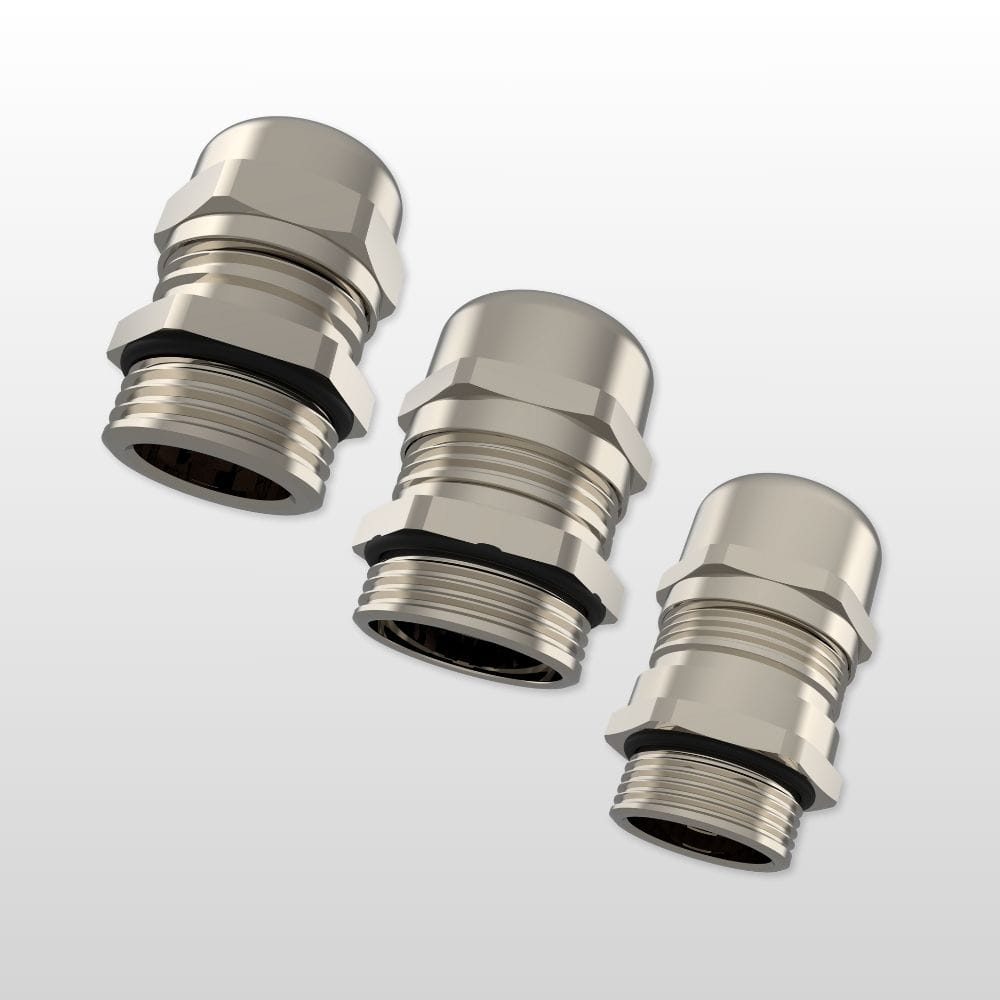
Cable Glands EMC
EMC brass fittings
Secure shielding with 360° contact for high EMC performance and quick installation.
Explore assortment →
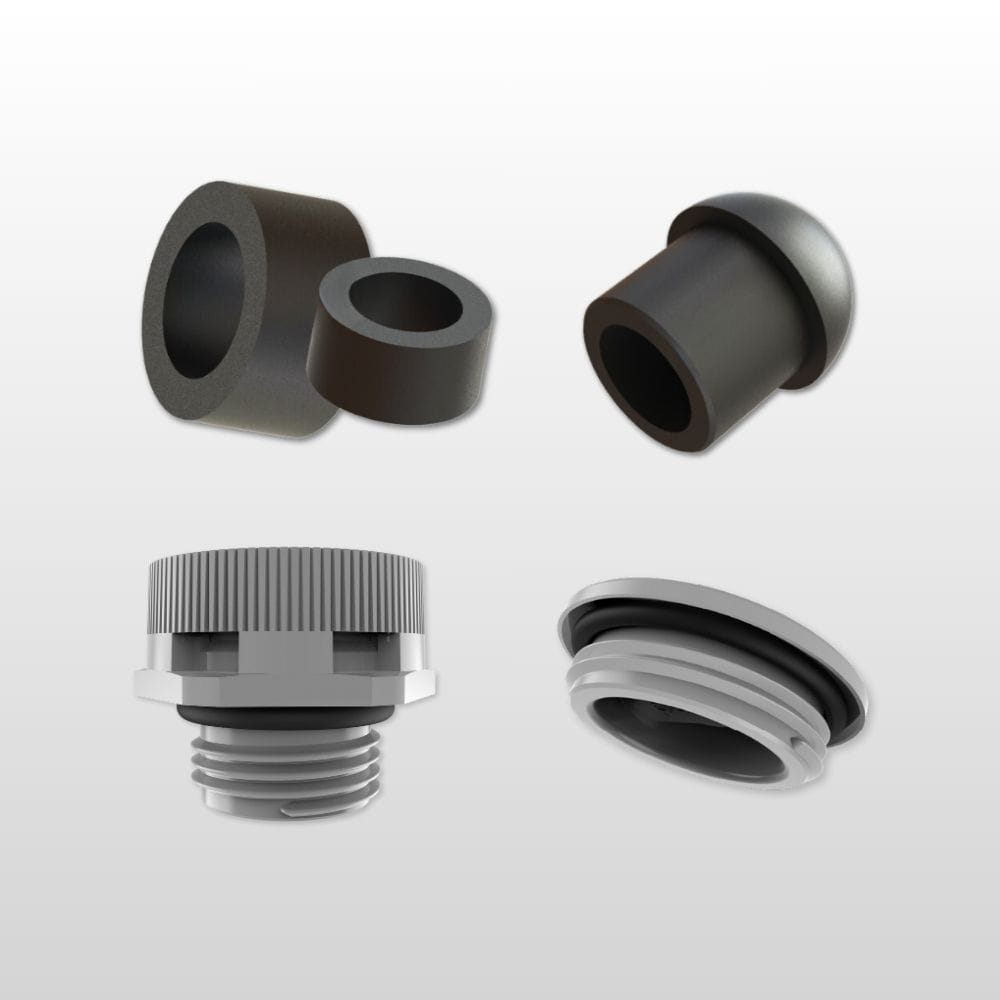
Cable Gland accessories
Complementary accessories
Aluminum enclosures with wide temperature range, high corrosion resistance and good EMC properties.
Explore assortment →

Do you need help choosing?
Plastic, brass, stainless steel, or EMC?
Contact technical advisor
Supplier to the automation industry since 1987
C-PRO supplies cable glands for the electrical and automation industry, where secure cable entry, sealing, and strain relief are critical for operational reliability.
Our solutions are used in control cabinets, enclosures, and machines for safe cable entry, EMC protection, and long-term reliability.
That's why many people choose C-PRO
- Deliveries to OEM companies and cabinet builders
- Cable glands developed for industrial environments
- Solutions for sealing, strain relief and EMC
- Technical advice on the selection of cable glands
Typical uses
- cable entry in control cabinets and enclosures
- machines and automation systems
- installations where sealing and strain relief are required
- industrial installations with EMC shielding requirements
Do you need help choosing the right cable gland
Our product specialists will help you choose materials, IP rating, and the right cable gland.
Important requirements & common pitfalls
This is where many installations go wrong:
⚠ Material failure in aggressive environment (corrosion)
⚠ Material failure in aggressive environment (corrosion)
⚠ Insufficient EMC contact despite shielded cable
⚠ Too low IP rating for outdoor installation
⚠ Tight sizing that complicates future cable replacements
If in doubt: Contact C-PRO for technical advice before making a choice.
Guides & selection assistance
Plastic, brass, stainless steel or EMC – compare IP rating, material and industry requirements.
How to choose the right cable gland → Read the guide
Learn how shield clamps and EMC glands reduce interference in demanding industrial environments.
How EMC shielding works and how do I protect my equipment → Read the guide
Related product areas
Cable glands are often only part of the solution.
Depending on cable type, installation and service requirements, other product areas may be more suitable or serve as a complement.
Cable glands & cable gland frames → For installations where cables are contacted or where many cables must be inserted into a small area.
EMC products for grounding and shielding → When proper shield connection and low transition impedance are crucial for the EMC performance of the system.
Cabinets & enclosures → The choice of cable gland must always match the enclosure material, material thickness and IP requirements.
FAQ - Frequently asked questions about cable glands
When are cable glands used?
Cable glands are used when cables are to be introduced into control cabinets, junction boxes or enclosures and at the same time require:
- sealing against dust and moisture (IP class)
- strain relief
- mechanical protection
- sometimes also EMC shielding
The choice is guided by environment, cable type, mobility and future service requirements.
When are cable glands not the right solution?
Cable glands are not the right choice when:
- cables are already connected and cannot be dismantled
- many cables must be inserted into a very limited area
- sealing and strain relief must be solved modularly
In these cases, it is often ➡ cable entry frames or divisible systems a better alternative.
What types of cable glands are there?
There are several types of cable glands depending on the material, environment and technical requirements. Common variants are:
- plastic cable glands
- metal cable glands
- EMC cable glands
- ATEX-rated cable glands
The choice depends on the installation's requirements for mechanical strength, sealing, EMC protection and environment.
Which material should I choose – plastic or metal?
Plastic (polyamide) is lightweight and affordable for standard environments. Metal provides high strength and is suitable for tougher environments and outdoors.
When are metal cable glands a better choice?
Metal cable glands are used when the installation is exposed to higher mechanical loads, vibrations or where the enclosure is made of metal.
They provide high mechanical strength and are often used in machines, industrial plants and installations where extra robust cable entry is required.
When is EMC gland needed?
For interference-sensitive electronics, such as control systems and communications. EMC glands provide shielding and stable operation.
Which IP class should I choose?
Consider the environment. IP68 is submersible, IP69K is high-pressure water resistant. See also our guide to IP ratings.
Do you have solutions for pre-connected cables?
Yes, icotek has shareable solutions that facilitate installation and service