Cabinets in Stainless Steel
cabinets for demanding industrial environments
Cabinets in Stainless Steel are used when the environment places higher demands than what painted electrical cabinets can handle.
A stainless steel cabinet is common in food, process industries and outdoor installations where corrosion, hygiene or cleaning are crucial.
In some applications, acid-resistant enclosures are required to withstand chemical or coastal environments.
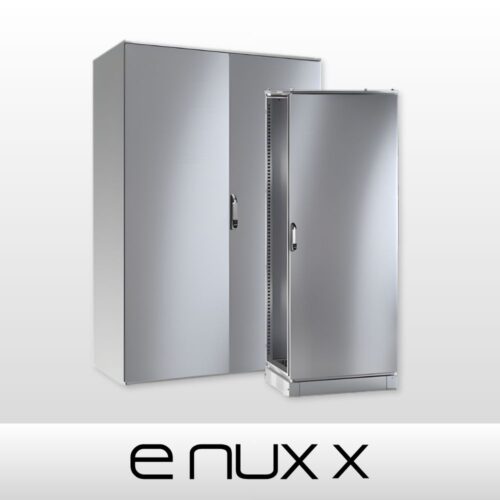
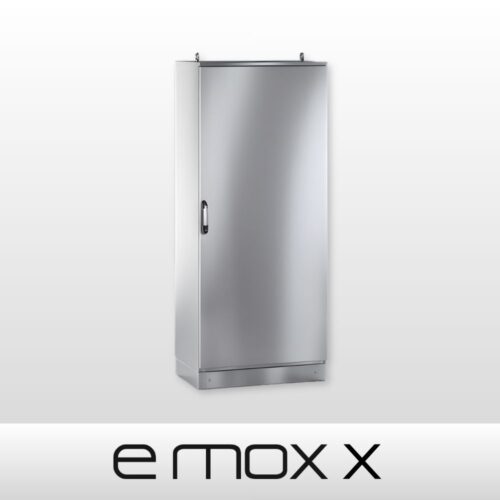
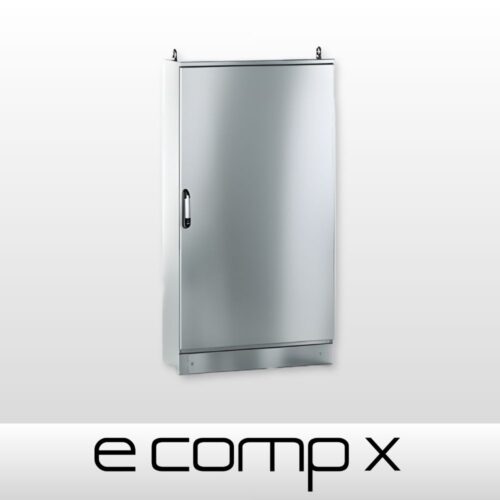
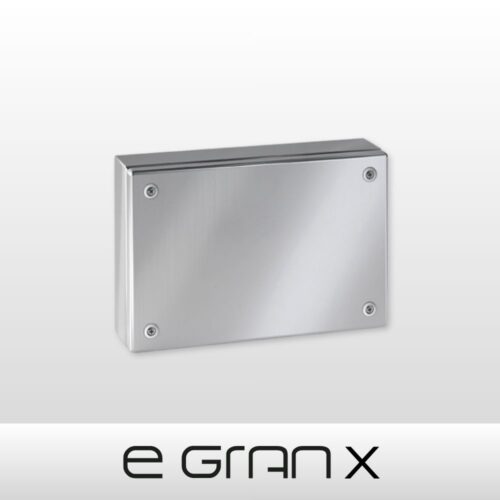
Explore our range of cabinets in stainless steel


Related product areas
In many applications, there are more rational alternatives:
Sheet metal equipment cabinets → for dry industrial environments with normal requirements
Plastic enclosures → for chemically exposed environments or low mechanical stress
Cabinets & enclosures → overview of the entire range
Choosing not to use stainless steel can be just as right as choosing it.
FAQ – Frequently asked questions about Cabinets in Stainless Steel
When should you choose Cabinets in Stainless Steel?
Choose stainless steel when the installation is exposed to:
- frequent cleaning, flushing or aggressive cleaning agents
- high hygiene requirements, e.g. in the food, pharmaceutical or process industry
- moisture, condensation or corrosive atmosphere
- outdoor environments or coastal installations
Stainless steel is used when the surface layer, tightness and durability of the material are crucial for operational reliability over time.
When are materials other than stainless steel more suitable?
Stainless steel enclosures are used when the environment places high demands on corrosion resistance, hygiene or cleaning. However, in less demanding environments, other materials may be more suitable and appropriate.
Other materials may be a better choice when:
- installation takes place in dry and clean indoor environments
- no special hygiene or corrosion requirements exist
- low weight or easier processing is prioritized
- the budget is limited and the environment is uncritical
In these cases, cabinets in steel plate or plastic boxes often the same function, with easier handling and lower overall cost.
What is the difference between AISI 304 and AISI 316?
The choice between AISI 304 and AISI 316 is mainly about corrosion environment:
- AISI 304 is the standard choice for most industrial and hygienic indoor environments.
- AISI 316 used when an acid-resistant enclosure is required, for example when exposed to chlorides, chemicals or coastal environments.
If the environment is uncertain or variable over time, the choice of material should be discussed before making a decision.
IP rating for stainless steel enclosures – what does it mean in practice?
The IP rating determines how well the cabinet protects the equipment against dust, moisture and flushing.
In stainless steel applications, this is often linked to cleaning method and surrounding environment.
- IP65 – protection against dust and flushing
- IP66 – higher protection against heavy water impact
- IP69 – for applications with high-pressure washing and frequent cleaning
The wrong IP class can lead to moisture penetration despite the correct choice of material.
Can stainless steel cabinets be used outdoors?
Yes, stainless steel is very suitable for outdoor use with the right IP rating.
Are stainless steel cabinets more difficult to install?
No, the installation is similar to that for sheet metal cabinets but requires the right tools when making holes.