
Cable Glands EMC
shielded cable entry for industry
EMC cable glands are used to ensure electrical contact between cable shield and enclosure in installations with high EMC requirements.
Correct EMC screwing reduces electromagnetic interference and contributes to stable operation in sensitive industrial systems.
Explore our range of EMC cable glands
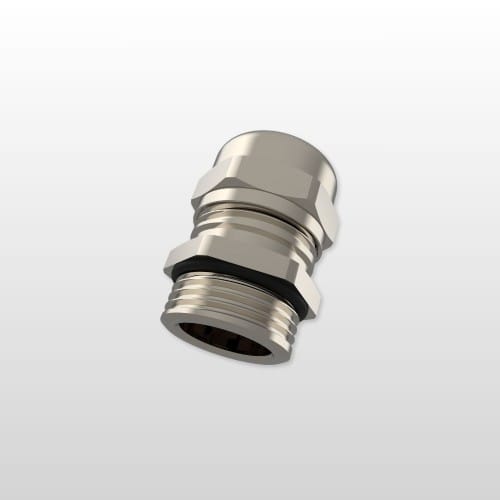
EMC Cable gland | brass | fixed spring contact | M12 - M63 | Clamping radius Ø3-44mm | IP68
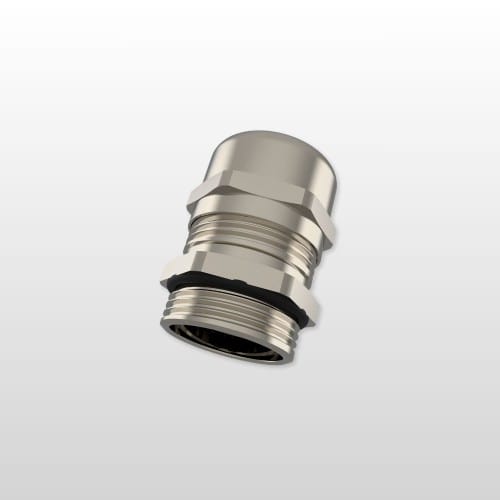
EMC Cable gland | brass | movable spring contact | M12 - M63 | Clamping radius Ø3-44mm | IP68
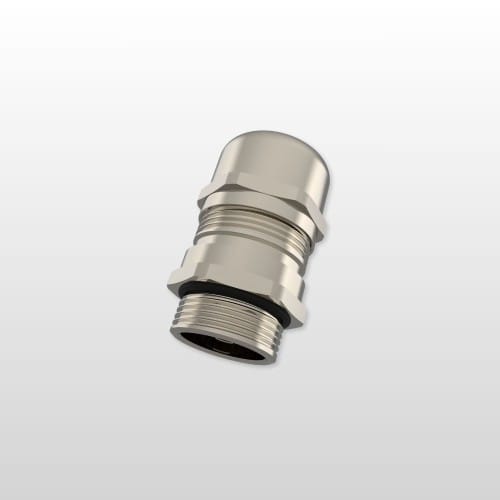
EMC Cable gland | brass | with movable spring contact | M12 - M63 | Clamping radius Ø3-53mm | IP68
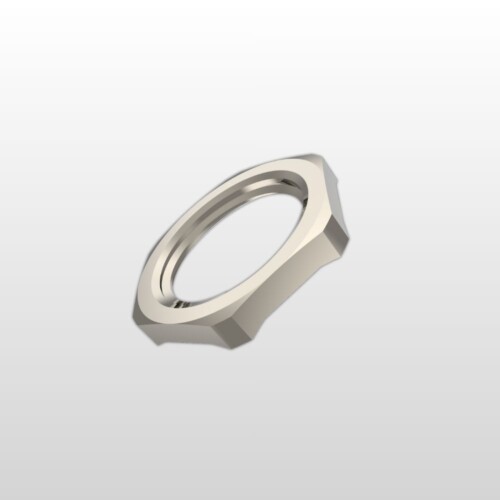
For EMC cable gland | brass | M12 - M63
Related product areas
FAQ - Frequently asked questions about EMC cable glands
When should you choose EMC cable glands?
EMC cable glands should be selected when shielded cables are used and the cable shield needs to be electrically connected to the enclosure.
They are crucial in installations where electromagnetic interference can affect function, safety or communication.
Common applications:
- frequency converter and motor control
- automation systems and control cabinets
- sensitive measuring and control equipment
- metal enclosures with grounding requirements
When are EMC cable glands not the right choice?
EMC cable glands are not necessary in installations where cables are unshielded or where EMC requirements do not apply.
Avoid EMC glands when:
- unshielded cables are used
- installation is simple and interference-free
- plastic enclosure used without grounding
Suitable options in these cases:
When is 360° screen connection needed?
360° shield connection is needed when the cable shield is to be connected around the entire circumference of the cable to provide effective attenuation of electromagnetic interference.
This is particularly important in installations with high EMC requirements, such as frequency converters, motor control or fast communication, where point-to-point connection does not provide sufficient shielding.
What materials are used in EMC cable glands?
EMC cable glands are most often manufactured in brass or stainless steel.
The material and any surface treatment affects corrosion protection and thus the product's lifespan, especially in industrial environments where moisture, chemicals or vibrations are present.
Is metal screw connection sufficient without EMC function?
No, a standard metal gland without EMC function is not sufficient when the cable shield must be electrically connected to the enclosure.
Without a special EMC connector, there is no controlled shield connection, which can lead to poor EMC performance even if the screw connection is made of metal.
Does incorrect mounting affect EMC performance?
Yes, incorrect mounting can significantly affect EMC performance.
Poor contact with the cable shield or enclosure, incorrect tightening torque or dirty contact surfaces can impair the shield connection and thus reduce electromagnetic attenuation.
How is the cable shield connected in an EMC cable gland?
EMC cable glands are designed to provide 360° contact with the cable shield. This is usually done with a spring or clamp solution that presses against the cable shield.
This connection is essential to ensure good EMC performance and to minimize electromagnetic interference in sensitive installations.
How does assembly affect EMC function?
Correct assembly is crucial for the EMC cable gland to function as intended.
To achieve effective shielding, it is necessary good electrical contact with the enclosure wall, so that interference can be conducted away via grounding. In installations with many cables or complex wiring, cable entry systems be a more suitable solution.
Accessories
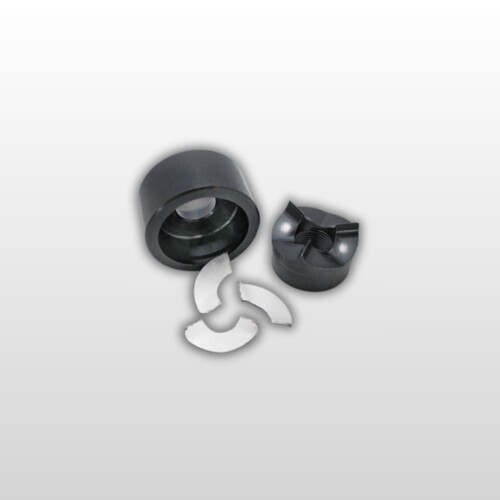
Punches in metric sizes | M16 - M85
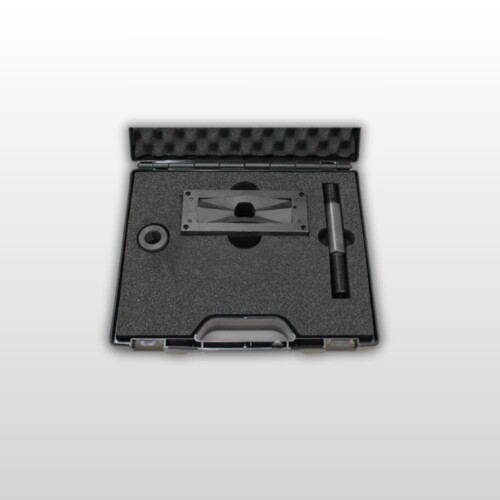
Punches for multi-pin connectors | icotek's cable entry system
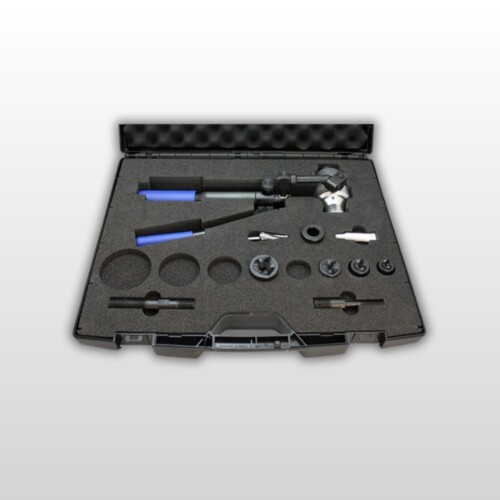
Hand hydraulic punch tool with accessories