
Cabinets & Enclosures
cabinets for industrial installations
Cabinets (electrical cabinets and control cabinets) are used to protect and organize electrical and automation equipment in industrial installations.
The choice of cabinet is influenced by the environment, enclosure class, material requirements and how the equipment will be installed and serviced.
Explore our range of cabinets and enclosures
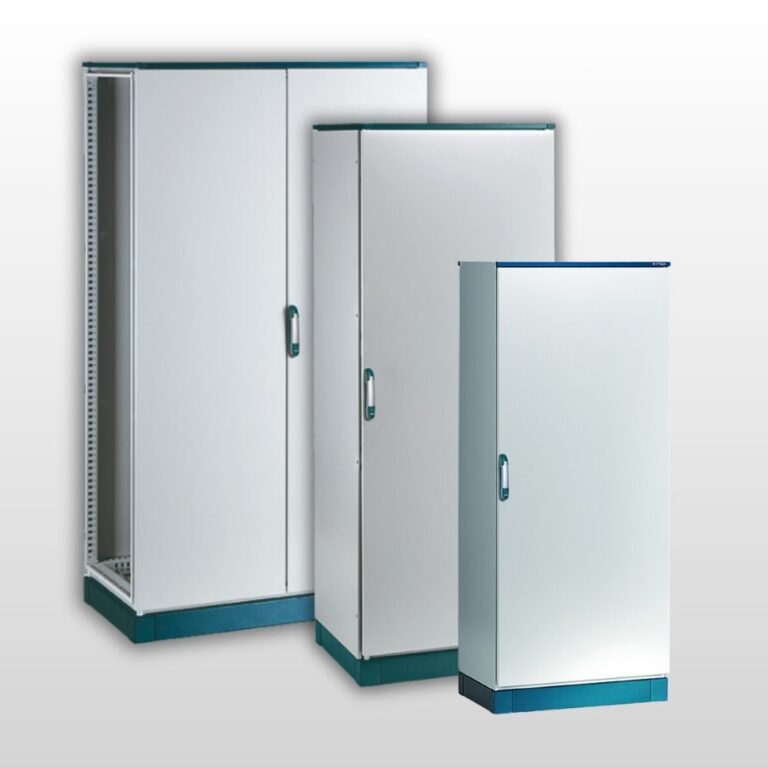
Floor cabinets & Wall cabinets
Standard range of equipment cabinets in painted steel sheet (RAL 7035) with high IP class.
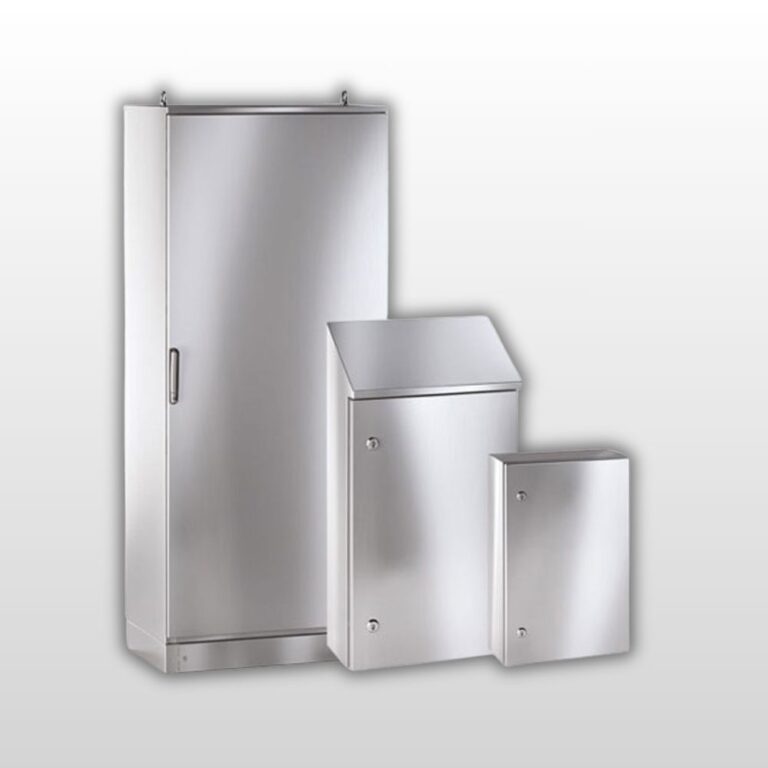
Floor cabinets & Wall cabinets
Stainless steel equipment cabinets for outdoor environments and the process and food industry.

Plastic enclosures
Enclosures and junction boxes in polycarbonate, ABS and glass-fibre reinforced polyester (GRP).
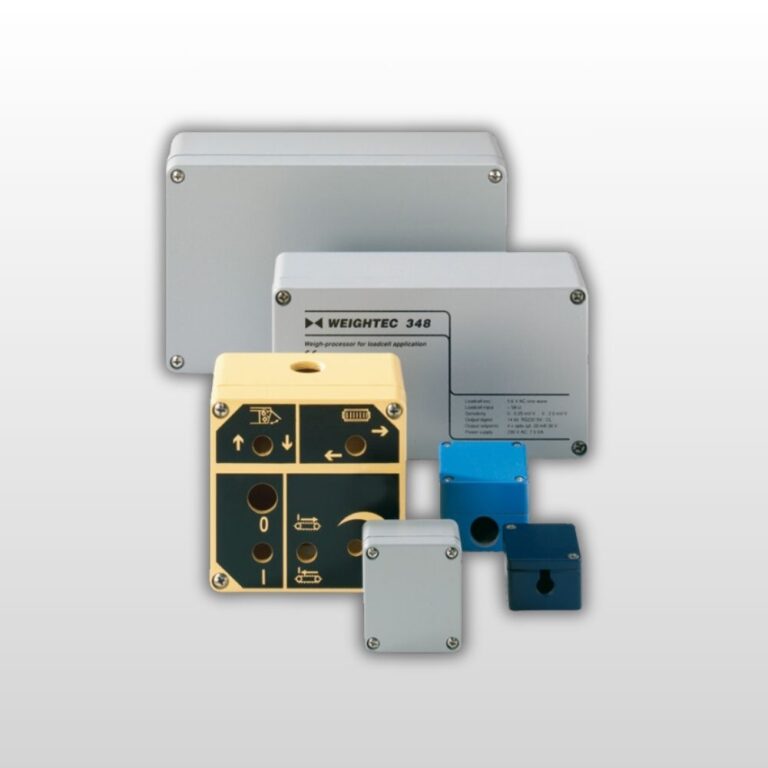
Aluminum enclosures
Aluminum enclosures with wide temperature range, high corrosion resistance and good EMC properties.
Supplier to the automation industry since 1987
C-PRO supplies control cabinets and enclosures to the electrical and automation industry where Operational reliability, protection and long service life are crucial. Our products are used by OEM companies, cabinet builders and industrial companies in everything from machines and control cabinets to larger industrial plants.
The range includes control cabinets and enclosures in sheet metal, aluminum and stainless steel, developed for installations where protection against dust, moisture, vibrations and mechanical impact is important. The products are used in control cabinets, machines and industrial systems where electrical components must be protected and organized in a safe way.
That's why many people choose C-PRO
- Deliveries to OEM companies and cabinet builders
- Cabinets and enclosures for industrial installations
- Solutions in sheet metal, aluminum and stainless steel
- Technical advice on enclosure selection and installation
Typical uses
- control cabinets and automation systems
- machinery and production equipment
- energy and infrastructure facilities
- installations where components require protected enclosure
Do you need help choosing the right cabinet or enclosure for your installation?
Important requirements and common pitfalls
The choice of cabinet or enclosure affects both the reliability and lifespan of the installation. An incorrect choice can lead to problems during operation, service or future expansion.
Common pitfalls:
- too low protection class in humid or dirty environments
- wrong choice of materials leading to corrosion or wear
- insufficient space for cabling and internal equipment
- underestimation of heat generation and need for cooling
If there is uncertainty about cable routing and penetrations, adjacent product areas should also be considered:
Guides and technical information
How to choose the right cabinet
Compare cabinets and enclosures made of sheet steel, stainless steel, aluminum and plastic with a focus on IP class, environmental requirements and typical industries.
How to choose the right enclosure: Material, IP class & accessories → Read the guide
IP65 vs IP66 – what's the difference?
Understand the difference in water protection according to EN 60529 and choose the right level for your installation.
Related product areas
Customization and project support
- Hole drilling and machining
- Color customization
- Labeling and identification
- Contact Us
FAQ – Frequently asked questions about cabinets and enclosures
When are cabinets used?
Cabinets are used to collect, protect and structure electrical and electronic components in industrial installations. They function as electrical cabinets or control cabinets and are used in everything from simple control systems to more advanced automation and process solutions.
An electrical cabinet provides protection against external influences such as dust, moisture and mechanical stress, while also creating order for wiring, assembly and future service.
When are other enclosure solutions more suitable?
Cabinets are not always the most appropriate solution, especially when the installation is very limited or when only a few components need to be encapsulated.
Other enclosure solutions may be more suitable when:
- only individual components should be protected
- the installation space is very limited
- the components are already individually nested
- the need mainly concerns cable entry or connection
In these cases, smaller enclosures or simpler solutions are often a better choice:
When should you choose sheet metal enclosures?
Cabinets are not always the most appropriate solution, especially when the installation is very limited or when only a few components need to be encapsulated.
Other enclosure solutions may be more suitable when:
- only individual components should be protected
- the installation space is very limited
- the components are already individually nested
- the need mainly concerns cable entry or connection
In these cases, smaller enclosures or simpler solutions are often a better choice:
When are stainless steel cabinets needed?
Cabinets are not always the most appropriate solution, especially when the installation is very limited or when only a few components need to be encapsulated.
Other enclosure solutions may be more suitable when:
- only individual components should be protected
- the installation space is very limited
- the components are already individually nested
- the need mainly concerns cable entry or connection
In these cases, smaller enclosures or simpler solutions are often a better choice:
When are plastic enclosures a good choice?
Cabinets are not always the most appropriate solution, especially when the installation is very limited or when only a few components need to be encapsulated.
Other enclosure solutions may be more suitable when:
- only individual components should be protected
- the installation space is very limited
- the components are already individually nested
- the need mainly concerns cable entry or connection
In these cases, smaller enclosures or simpler solutions are often a better choice:
What is the difference between cabinets and enclosures?
Sheet metal enclosures are often used in industrial installations where high mechanical strength and stable construction required. They are well suited for machines, production lines and control cabinets where components are assembled in stages and where serviceability is important.
How do I choose the right IP class?
Stainless steel equipment cabinets are used in demanding environments with high demands on corrosion resistance and hygiene. They are common in the food industry, pharmaceutical industry, chemical process industry and in installations where equipment is exposed to moisture or cleaning.
When are floor cabinets needed instead of wall cabinets?
Plastic enclosures are suitable in installations where light weight, chemical resistance or electrical insulation is important. They are often used in smaller installations, sensor units and applications where the mechanical load is limited.
What are the advantages of aluminum enclosures?
Aluminum enclosures combine low weight with good mechanical stability and effective heat dissipation. They are often used in technical installations where thermal management or EMC properties are important, for example in electronics, control systems and communication equipment.