Så väljer du rätt skyddsslang
och kabelskydd
Protective hoses and cable covers protect cables against mechanical stress, dust, moisture and chemicals.
In this guide, we explain the difference between plastic hose, metal hose and spiral hoses – and how to choose the right solution for your installation.
Explore the right protective tubing and cable protection for your application
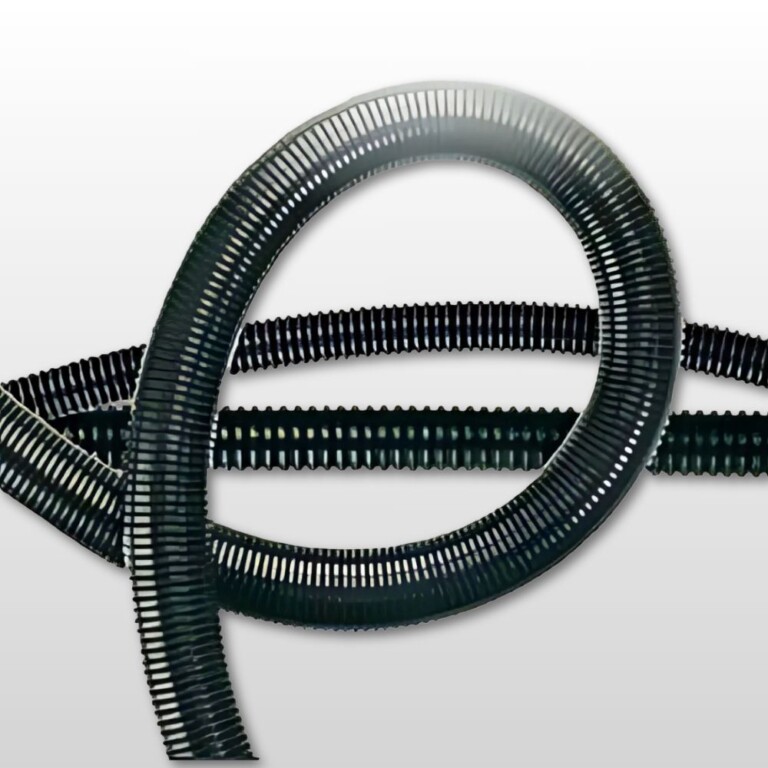
Plastic Conduit – Flexible and Easy to Install
Skyddsslang i plast är en flexibel och lättmonterad lösning för kabelskydd i industriella installationer och fastighetsautomation. Den låga vikten och kostnadseffektiva konstruktionen gör den särskilt lämplig för inomhusmiljöer och standardinstallationer.
För olika applikationer finns skyddsslangen med flera mantelmaterial som ger ökad UV-beständighet eller förbättrat skydd mot kemikalier och yttre påverkan.
- Användningsområde: panelbyggare som söker lätt och billig lösning i kapslingar
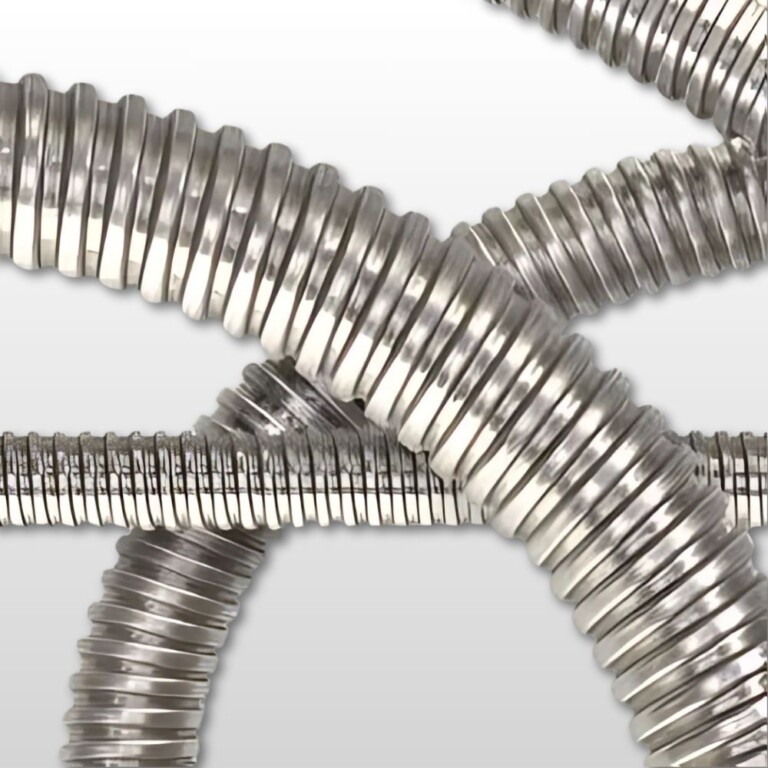
Stainless Steel Conduit – Robust and Durable
Den lämpar sig särskilt väl för tuffa industriella miljöer, utomhusinstallationer och applikationer där kablar utsätts för vibrationer, mekaniskt slitage eller höga temperaturer.
- Användningsområde: livsmedelsindustri där rengöring med högtryck kräver korrosionsskydd och höga IP-klasser
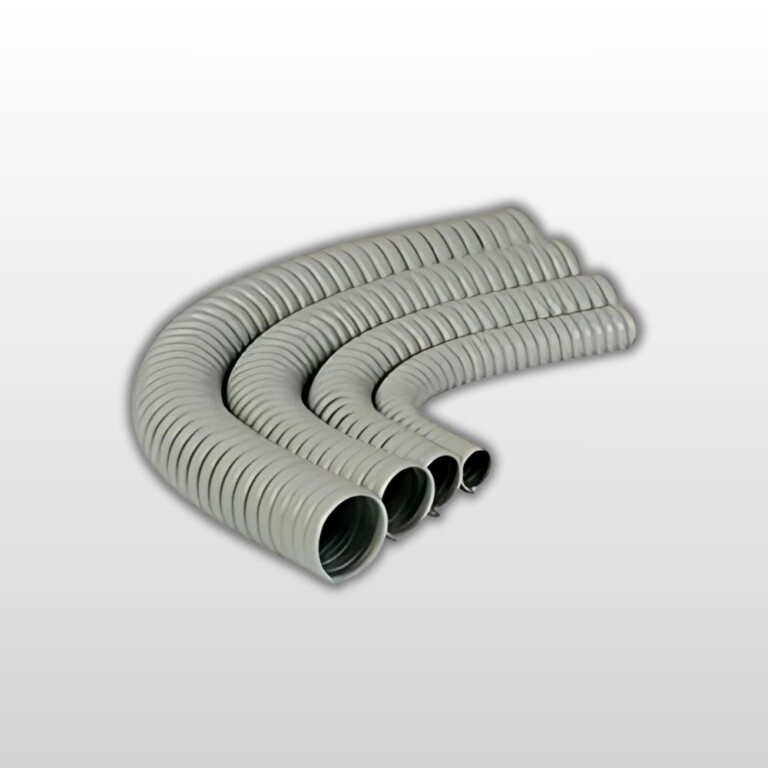
Spiral Wrap and Cable Sleeves
Spiralslang och kabelstrumpor är flexibla lösningar för kabelskydd och buntning i trånga eller rörliga installationer. De är enkla att applicera även på befintliga kablar och passar bra vid service, eftermontage och kabeldragning i begränsade utrymmen.
Serien finns även som expanderbara kabelstrumpor för flexibel installation och anpassning till varierande kabeldimensioner.
- Användningsområde: robotapplikationer där kablar ofta behöver eftermonteras eller bytas.
Comparison
| Type | Standard | Advantages | Limitations | Typical use |
|---|---|---|---|---|
| Plastic (Polyamide) | EN 61386 | Flexibel, låg vikt och kostnadseffektiv | Begränsad hållfasthet och lägre temperaturtålighet | Building automation, indoor installations |
| Stainless steel | EN 61386 | Mycket robust, korrosionsbeständig och hög temperaturtålighet | Tyngre och dyrare konstruktion | Offshore, food industry, process industry |
| Spiral Wraps | EN 61386 | Flexibel och enkel att eftermontera | Lägre täthet (IP54) och begränsat mekaniskt skydd | Robotics, service panels |
Common Questions About Choosing Conduits & Cable Protection
When is plastic conduit best?
For indoor installations with moderate mechanical load.
When should I choose metal conduit?
In outdoor or industrial environments where the cables are exposed to severe stress.
Are spiral wraps as protective as metal conduits?
No, they are primarily for flexibility and cable collection rather than heavy protection.
Are EMC-protected conduits available?
Yes, special metal or shielded hoses combine mechanical protection with shielding.