
Bus Bars & Tapes
for safe earthing and equipotential bonding
Create a safe and reliable grounding solution in control cabinets, enclosures, and industrial installations.
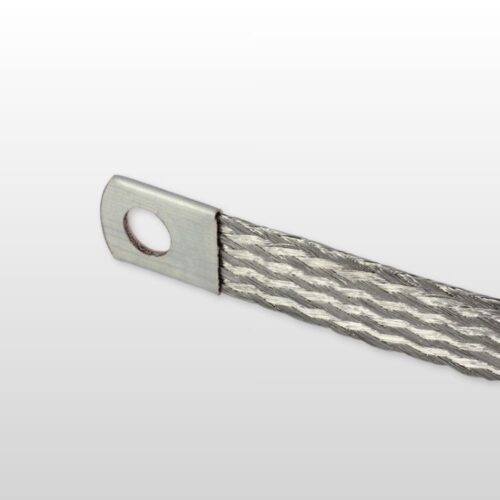
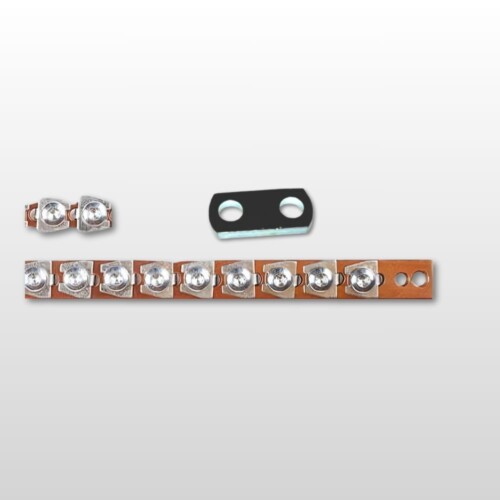
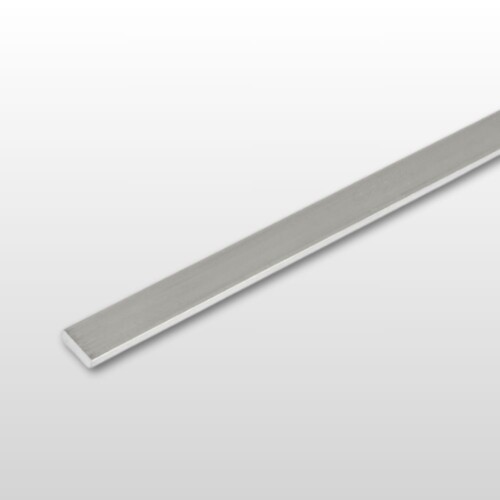
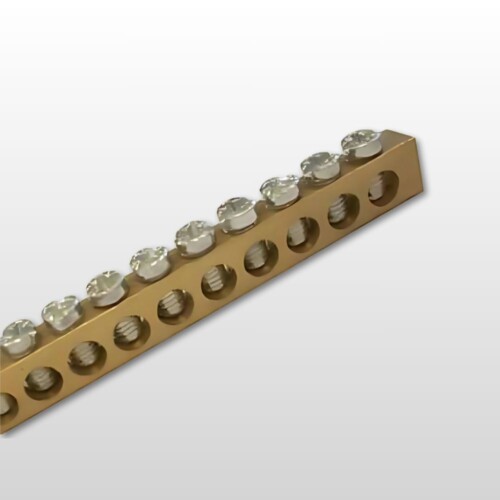
The product range includes ground rails, ground braids, and accessories for protective earthing, equipotential bonding, and EMC-compliant installations.
Explore our range of Bus bars
Related product areas
FAQ – Frequently asked questions about Bus bars
How do I choose the right grounding bar?
When choosing a Bus bar, it is important to consider how the installation is structured and what requirements there are for grounding and service.
Look in particular at:
- Number of connections – should be sufficient for both current and future needs
- Conductor cross-section – adapt to currents and standard requirements
- Mounting – DIN rail or directly on mounting plate
- Material – copper or brass depending on application
A correctly dimensioned Bus bar provides a clear structure in the control cabinet and reduces the risk of incorrect connections.
When might other solutions be more appropriate?
Bus bars are not always the best solution in all installations.
In the following cases, other options may be more suitable:
- For single ground points, direct connection to chassis may be sufficient.
- When connecting shielded cables, shield clamps are often a better choice.
- For high EMC requirements, the grounding bar needs to be supplemented with grounding braids.
➡ Earthing braids – icotek page
Why is potential equalization important in control cabinets?
Potential equalization means that all protective earths are collected at a common earth point. This reduces the risk of voltage differences and unwanted currents in the installation.
Correct potential equalization contributes to:
- increased personal safety
- more stable operation in the system
- reduced risk of electromagnetic interference
What is the difference between Bus bars and PE busbar?
A PE busbar is a type of ground busbar intended for protective earth. In practice, the terms are often used synonymously.
What is the difference between copper and brass grounding bars?
Grounding bars in copper Copper is most often used in electrical cabinets because the material has very low electrical resistance and high current carrying capacity. This makes copper suitable for main grounding and potential equalization.
Brass are used instead where mechanical stability and corrosion resistance are more important. Brass bars are often used as supplementary grounding points in installations.
Why is copper used in grounding bars?
Copper is the most common material in earthing bars because it has very good electrical conductivity.
This allows currents to be conducted away efficiently and reduces the risk of voltage differences in control cabinets. This is why copper is often used where several protective earths are collected at a common point.
How many connections should a Bus bar have?
Always choose a bus bar with more connections than the current need to allow for future expansion.
Do Bus bars need to be marked?
Yes, marking ground points facilitates service and reduces the risk of errors during installation and maintenance.